
Tutorial Marketing: Our Bet for SaaS Growth in 2027
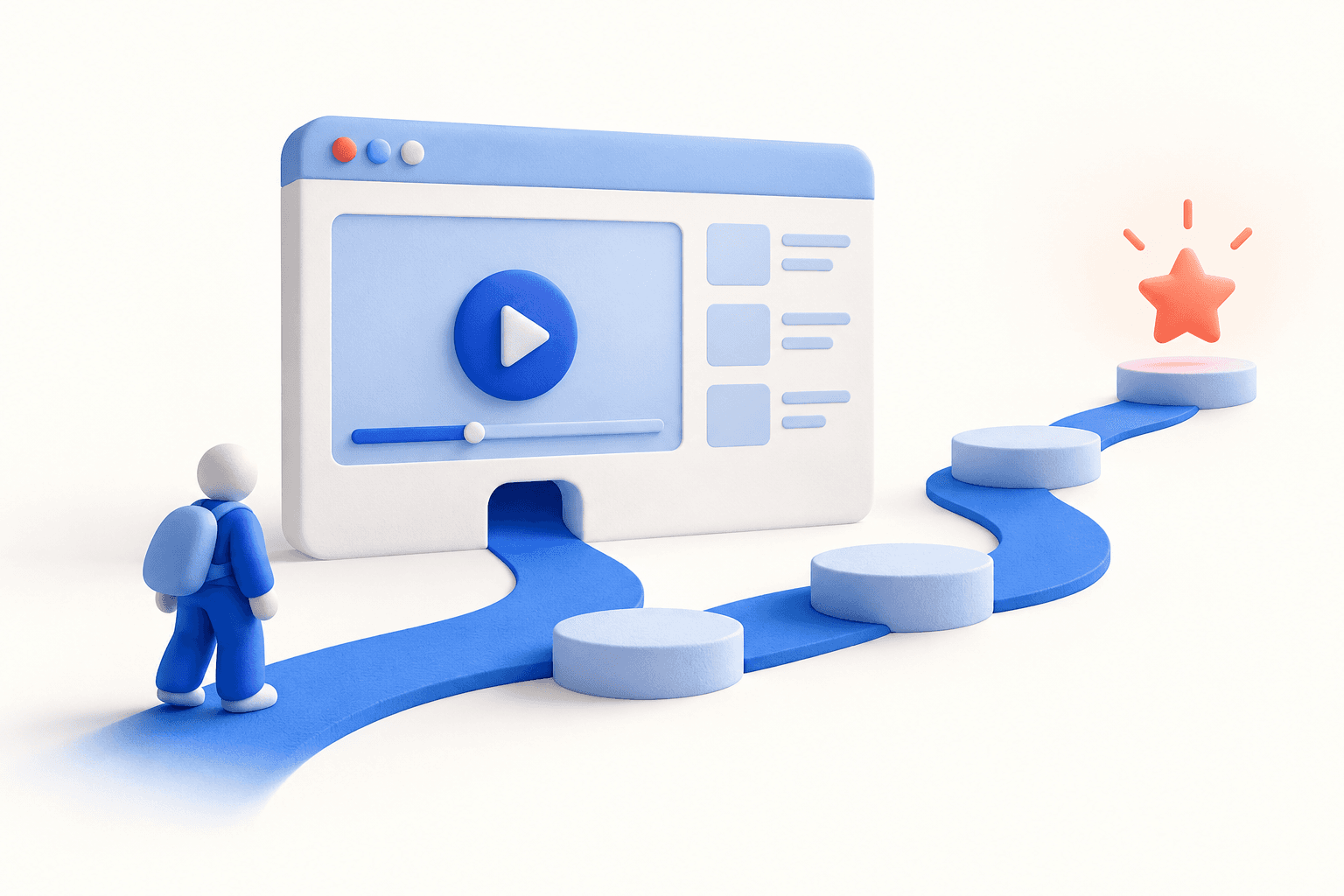
Your next customer might watch your tutorial before they ever book a demo.
They came to learn how to run a campaign, build a report, or automate an approval. Your product is right there, doing the work.
Our bet for 2027: more SaaS teams will treat tutorials as a core marketing channel. Product education deserves a place in the growth conversation, alongside the launch video and the landing page.
Tutorial marketing means teaching a useful task through your product. The buyer sees the workflow, understands the effort, and knows where to start if they sign up.
Two words worth learning from Instantly: “Start here”
Instantly, a cold email and outreach platform, offers a public getting-started course built around launching a first campaign. Its training hub connects learners to its guides, academy, and YouTube channel.
There is a useful strategy in that structure: give a beginner one clear way into the product.
“Start here” makes a promise the buyer can understand. You will take them from a blank screen toward something they came to accomplish.
Put that entry point on your website, too. A relevant YouTube lesson can introduce the product; an embedded tutorial beside a feature can help the buyer decide what to do next.
Let buyers picture their first working day
“Automate approvals” sounds useful. Watching someone create a request, assign an approver, and confirm the result makes the work concrete.
The buyer can judge whether it fits their team. They can see the setup, permissions, and inputs involved. For complex software, we consider that visibility essential: give people a believable route from the promise to the result.
Watching is only the first step. Offer a template, sample dataset, or sandbox so they can try what they just learned.
Your wording teaches your positioning
Every tutorial reveals what your company considers important.
Imagine a hypothetical approvals product. Its narrator could say: “The most important step is making sure every request has an owner. Choose your budget owner here.”
You have taught the action and communicated a point of view: accountability comes first.
Other lines can signal different priorities:
- Customer experience: “Let’s preview exactly what your customer will receive.”
- Flexibility: “Start with this template. You can change the rules later.”
- Confidence: “Before we send anything, let’s test it with a sample record.”
Show the steps that make the workflow feel manageable. Saying “it’s simple” is more convincing when the viewer can follow along. Name prerequisites and plan restrictions honestly.
Give your buyer a link they can sell internally
The person watching may need a manager’s approval before buying.
Give them something useful to forward: “This is how we would run our weekly reporting.” A focused tutorial can help them explain the proposed workflow without rebuilding your pitch.
Use realistic sample data, captions, and a short written summary. Make the result clear even to someone watching without sound.
Don’t hide the good stuff behind signup
Place the lesson where the buyer is evaluating the promise:
- On the relevant feature page, show one complete workflow.
- Near pricing, explain a meaningful difference between plans.
- In sales follow-ups, answer the workflow question from the call.
- In a public learning library, organise lessons by the job the buyer wants to do.
Then make the next step continue the lesson. After “Build your first report,” offer the dataset or a link to create that report.
Start with one lesson worth finding
Choose a workflow that comes up in sales conversations. Teach it clearly. Publish it on your website and YouTube, then reuse it in onboarding.
Track relevant next steps: qualified enquiries, trial starts, and completion of the workflow. Views show reach; they don’t establish purchases or prove the audience came entirely from organic discovery.
For format choices, see video tutorials vs. help articles. After publishing, keep the lesson aligned with the product.
Databerg turns important product workflows into tutorials and guides. [Let’s find your “Start here.”](/#consultation)